The story of Kyne, a life in numbers and drag
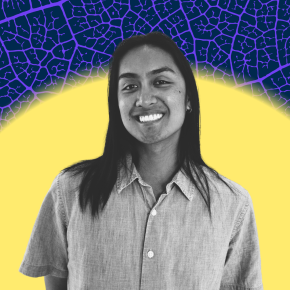
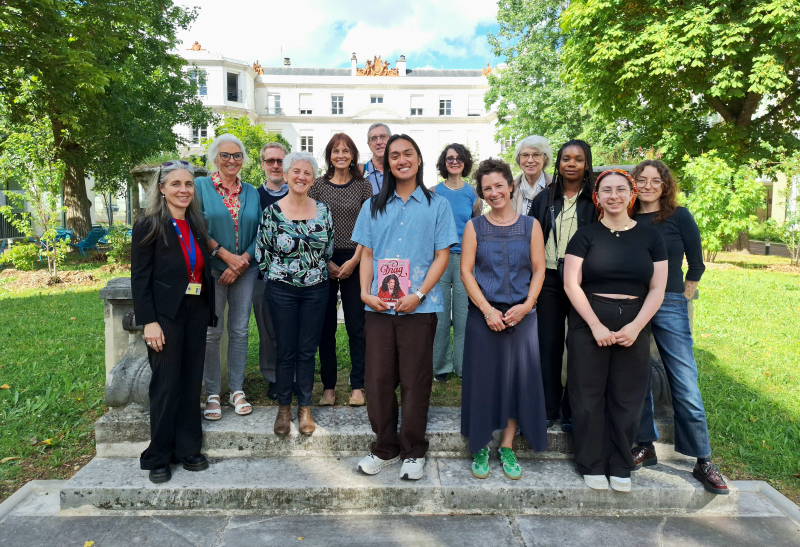
In June 2026, CNRS Mathématiques and Gustave Eiffel University jointly invited Kyne Santos, a drag queen and master’s student in applied mathematics at Toronto Metropolitan University, to France. CNRS Mathématiques took the opportunity to have him participate in the Institute’s Gender Equality Correspondents Day. Discover Kyne’s remarkable journey, at the crossroads of mathematics, outreach, and LGBTQ+ advocacy.
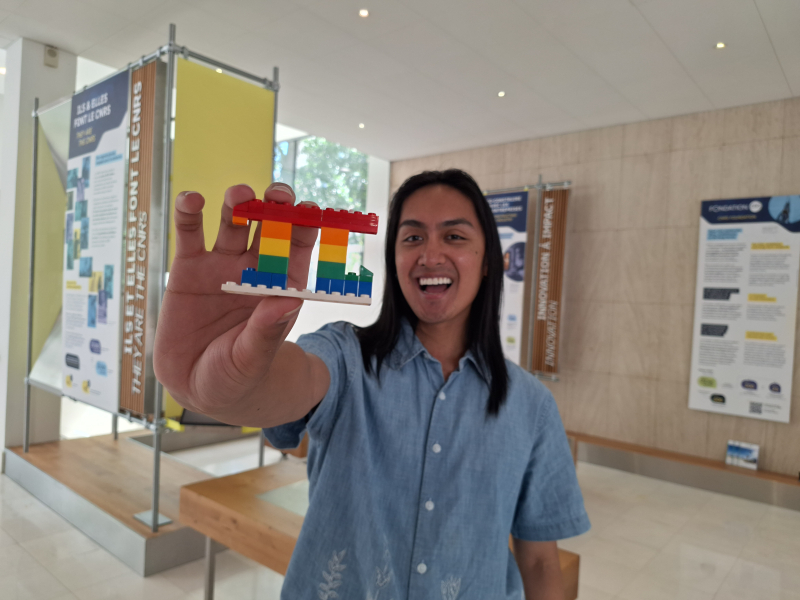
Broadly interested in networks, graph theory, computer science, math education, and the history and foundations of math, Kyne Santos loves telling stories about the intersections between math, technology, and society. Kyne has written a book, Math In Drag, and created over 600 videos about math on TikTok and Instagram.
Coming into my own
From my earliest memories in the Philippines, I was drawn to performance. Singing karaoke for my family, wearing my mother’s bra and high heels, and dancing to divas like Tina Turner and Celine Dion were my first steps into drag. At the same time, math was my favorite subject. These two passions, performance and mathematics, evolved simultaneously, shaping my identity and ambitions.
Growing up, I realized my flamboyance set me apart. Questions about my behavior led me to suppress my true self until my parents prompted me to come out. Their support lifted a weight off my shoulders, freeing me to explore my femininity. A pivotal moment came in high school during Halloween, when I wore makeup as part of a costume. The experience was liberating, allowing me to express myself more boldly.
Math vs Drag: An initial double life
Math was my sanctuary. My teacher recognized my talent and encouraged me to compete in regional math contests. I embraced the challenge, driven by a desire to defy stereotypes. As a gay student, I felt the pressure to prove that I could excel academically while embracing my identity. I arrived at school with a full face of makeup, red lipstick, false lashes, and still won gold medals in these scientific competitions. This duality became my strength.
Outside of school, I turned to the internet to explore gender expression. I started a YouTube channel, creating vlogs and makeup tutorials. These creative outlets balanced my academic pursuits, offering a space to be myself.
At the University of Waterloo, I pursued a Bachelor’s in Mathematics on a full-ride scholarship. It was also where I joined the drag club and performed for the first time. My life became a balance of studying proofs by day and performing in drag by night, a duality I embraced with pride.
Social media and outreach
The pandemic marked a turning point. I began posting math videos on TikTok, blending my love for mathematics with my drag persona. The response was overwhelming. People appreciated seeing a drag queen teach math, making the subject accessible and fun. My videos broke down stereotypes, showing that math could be entertaining and inclusive.
I discovered a community of queer mathematicians who, like me, straddled the worlds of creativity and logic. This intersection was far larger than I had imagined, and it reinforced my belief in the power of representation.
Challenging systemic issues
Bridging the gap between drag and nerdy cultures wasn’t always easy. My math peers didn’t understand drag, and my drag peers didn’t understand my passion for math. Society often frames people as either left-brained or right-brained, but I refused to choose. I belonged to both worlds.
Systemic issues in mathematics also posed challenges. The field is often depicted as exclusive, requiring innate genius. This perception discourages many from pursuing math. Additionally, the lack of diversity in mathematics can make it difficult for underrepresented groups to see themselves in the field. My journey reflects these struggles, but also the importance of breaking down barriers.
The power of math literacy
My love for math began with its clarity: solving problems felt satisfying, almost instinctive. But as I progressed, I discovered its depth, proofs, unsolved questions, and the creative process behind mathematical discovery. This creativity, I realized, was not unlike the artistry of drag. Both require imagination, precision, and a willingness to challenge conventions. Math is not just about finding the right answer; it’s about asking the right questions, exploring the unknown, and embracing the beauty of uncertainty.
Through my videos, I strive to dismantle the myth that math is only for a select few. Too often, people dismiss it as inaccessible, believing they lack the innate talent to understand it. But math, like any skill, improves with practice. It’s not about being a genius; it’s about persistence, curiosity, and the courage to engage with difficult concepts. I compare it to learning a sport: no one expects to excel without training, yet many assume math should come naturally or not at all.
Mathematical literacy is essential in everyday life. It helps us interpret data in the news, make informed financial decisions, and understand the world around us. From epidemiology to technology, math shapes our society. Yet, many people opt out, saying, “I’m not a math person,” as if it’s a fixed trait. This mindset limits potential. My goal is to erase these self-imposed barriers. By presenting math through an engaging, inclusive lens, whether through drag, storytelling, or social media, I aim to show that it’s not just for academics or prodigies. It is for everyone.
Future aspirations
After graduating, I dedicated myself full-time to social media, drag, and writing. My book, Math and Drag, explores the intersection of these passions. Now, I’m pursuing a Master’s in Applied Mathematics at Toronto Metropolitan University, driven by a desire to reconnect with the academic side of math.
My future goals include research and teaching. Whether in a classroom, online, or through books, I want to continue sharing my love for math. The world is evolving, and careers are no longer linear. I see my life as a series of experiences, each contributing to my mission of making math and drag accessible to all.