Aux maths citoyennes, citoyens ! Major national consultation

This consultation on the role of mathematics in the lives of citizens took place from March 10 to July 5, 2025. Its aim was to make your voices heard: to find out your perceptions, what mathematics means to you, and to get your opinions.

The results of this citizen consultation were presented at the Palais du Luxembourg (French Senate) on December 8, 2025.

RESULTATS DE LA CONSULTATION

Results of the citizen consultation « Aux maths citoyennes, citoyens ! »

For the first time, the CNRS has given French citizens a voice on their relationship with science, specifically mathematics. Launched on March 10, 2025, the national consultation “Aux maths citoyennes, citoyens !” (Citizens, get involved in maths!) examined the role of mathematics in society and identified ways to promote understanding and access to this science. This CNRS initiative is a continuation of the Assises des mathématiques (2022) and contributes to the national debate on access to mathematics at all stages of life.

Discover the results of this initiative.


RESULTATS DE LA CONSULTATION

Between March and July 2025, more than 33,000 participants participated in an online consultation, supplemented by 40 workshops organized throughout the country and two citizen panels. The latter brought together 46 non-experts over six days with one goal: to reflect on the question, “How can we improve access to mathematics for everyone, at all ages?”

This consultation provided a better understanding of the expectations, needs, and obstacles related to the practice and learning of mathematics. In total, more than one million contributions were collected, making this initiative one of the most extensive participatory efforts ever conducted on a scientific discipline.

RESULTATS DE LA CONSULTATION

Contents of the results booklet:

  • Background to the consultation
  • The three consultation methods
  • General lessons
  • Keys to the future
  • Focus on three key lessons


RESULTATS DE LA CONSULTATION


To learn more, download the detailed results of the citizen consultation.

RESULTATS DETAILLES DE LA CONSULTATION

See also the appendices to the consultation:

  • Mathematics panel: citizens' opinions, women's group
  • Mathematics panel: citizens' opinions, mixed group
  • Summary of the online consultation questionnaire

ANNEXES

Aux maths citoyennes, citoyens ! Grande consultation nationale

Credits: © Julie Bourges

Read the press release about this initiative.

Press coverage

Le Monde

Article “Des citoyens souhaitent plus de maths en famille et à tout âge" (Citizens want more math in the family and at all ages), by David Larousserie, published online on December 8, 2025, in Le Monde.

Les Echos

Article “Les recettes du CNRS pour démystifier les mathématiques" (The CNRS's recipes for demystifying mathematics), by Marie-Christine Corbier, published online on December 9, 2025, in Les Echos.

Le Dauphiné

Article “Ça ne pardonne pas : les Français et les maths, les raisons d’un désamour" (It's unforgiving: the French and math, reasons for a falling out),” by Jean-Michel Lahire, online on 12/9/25 on Le Dauphiné.

France 24

TV Program “Mathématiques, même pas peur ? Parlons-en avec C. Villani, C. Voisin, C. Besse et E. Dalençon” (Maths, nothing to be afraid of? Let's talk about it with C. Villani, C. Voisin, C. Besse and E. Dalençon), hosted by Pauline Paccard on France 24 on December 9, 2025.

L'Usine Nouvelle

Article «  », par Pauline Bandelier, en ligne le 12/12/25 sur L'Usine Nouvelle

Article “Il faut désacraliser les mathématiques : Christophe Delaunay, directeur adjoint scientifique du CNRS Mathématiques" (We must demystify mathematics: Christophe Delaunay, Deputy Scientific Director of CNRS Mathematics), by Pauline Bandelier, published online on December 12, 2025, on L'Usine Nouvelle.

AEF Info

Presentation of the citizen consultation

From March 10 to April 30, 2025, CNRS Mathematics organized a major national consultation on the place of mathematics in our society. The results of this citizen consultation will be presented at the Palais du Luxembourg (French Senate) on December 8, 2025.

Whether we are familiar with mathematics or not, we all have an opinion on the subject.
Christophe Besse, Director of CNRS Mathematics / National Institute for Mathematical Sciences and their Interactions (Insmi)

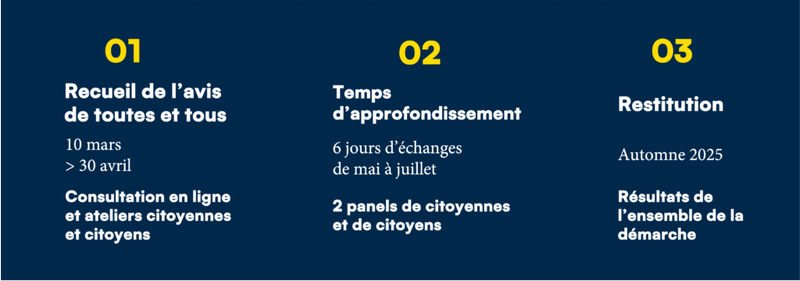
Consultation schedule
Calendrier

Background to the consultation

France is a global leader in mathematical research. It is the second most awarded nation in terms of Fields Medals (the most prestigious award in mathematics), and mathematics is the discipline for which French universities are most highly ranked in global university rankings1 .

Nevertheless, the situation of mathematics in France is a cause for concern. The general level of mathematics among the population as a whole is declining2 , and careers in mathematics are struggling to attract students (there are regularly fewer applicants than positions available). Finally, the practice of mathematics remains highly gendered and selective.

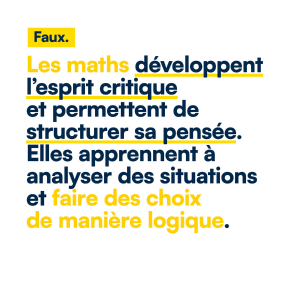
However, proficenc in mathematics is essential in our lives. For counting, measuring, optimizing, and making decisions. It forms the basis of many everyday actions and is essential for functioning in a society as digital and mathematical as ours. Mathematics also plays a structuring role in the development of critical and scientific thinking and enables the analysis of numerical information and orders of magnitude.

This is why CNRS Mathematics of the French National Center for Scientific Research (CNRS) is conducting a broad reflection to imagine an ambitious place and broad access to mathematics in French society. An “Assises des mathématiques” (Mathematics national Conference) was already held in 2022 with all the key players in mathematics in France.

CNRS Mathematics wishes to open this discussion to the entire population and is launching a major citizen consultation on March 10, 2025, during Mathematics Week: « Aux maths citoyennes, citoyens ! Grande consultation nationale » (“Citizens, get involved in math! Major national consultation").
Stages of the consultation

  • An online consultation (March 10 to April 30, 2025) to gather citizens' perceptions and desires regarding mathematics;
  • A series of workshops for citizens (from early March to April 30, 2025), organized by those who wish to contribute to the debate;
  • Two citizen panels (May to July 2025) to answer the questions “How can we improve access to mathematics for everyone at all stages of life? What tools and venues could help to achieve this?”

CNRS Mathematics wants to give as many people as possible a voice through online consultation and citizen workshops. The institute also wants to focus on disparities in access to mathematics throughout life. The two panels will therefore be made of people who are likely to be exposed to forms of exclusion related to mathematics (linked to gender, social background, or geography).
  • 1https://www.shanghairanking.com/rankings/gras/2024/RS0101
  • 2France ranks below the average of OECD countries and provinces in mathematics for fourth-grade students and last (along with Wallonia) among European countries – TIMSS survey, conducted in 2023 and published on Wednesday, December 4; An OECD survey on adult skills published in December 2024 highlights that France ranks below the OECD average in arithmetic and problem solving.
https://www.insmi.cnrs.fr/fr/aux-maths-citoyennes-citoyens-grande-consultation-nationale

Over 1 million contributions to the citizen consultation on mathematics

Organized by CNRS Mathematics from March 10 to April 30, 2025, the online questionnaire “Aux maths citoyennes, citoyens ! Grande consultation nationale” (Citizens, get involved in math! Major national consultation) gathered more than 1.1 million contributions from over 33,000 participants. This was a historic success for an unprecedented initiative in science, with the overall results to be published in fall 2025.

"Mathematics has allowed me to become independent and gain self-confidence."

1.1 million contributions

Thanks to an exceptional mobilization of citizens, this consultation brought together more than 33,000 participants, who expressed more than 365,000 verbatim comments and more than 1 million contributions. The anonymous online questionnaire consisted of around 20 questions and took 5 to 15 minutes to complete. Aimed at everyone, the goal was to gather citizens' perceptions and desires regarding mathematics. The results are currently being analyzed and will be presented to the Senate in the fall of 2025.

The CNRS wants to “understand why we often hear ‘I hated maths’”

During Mathematics Week, Christophe Besse, director of CNRS Mathematics, and lead coordinator of the “Aux maths citoyennes et citoyens” (Citizens, get invovled in maths !) project, will be the guest on the 6:20 a.m. show. More info: https://www.radiofrance.fr/franceinte...

Audiodescription

33,421 participants

With over 33,000 participants, there was a relatively even distribution across genders and age groups. However, the most represented professional categories were executives and higher intellectual professions. The Ile-de-France region has the highest number of participants, followed by Haute-Garonne and Auvergne-Rhône-Alpes. This is an online questionnaire, a snapshot in time, which is highly informative, but the responses do not correspond to a representative sample of society and the overall results should not be taken as such.

“Thanks to my son, I discovered that maths could not only be easy, but also meaningful!”

Around thirty face-to-face workshops

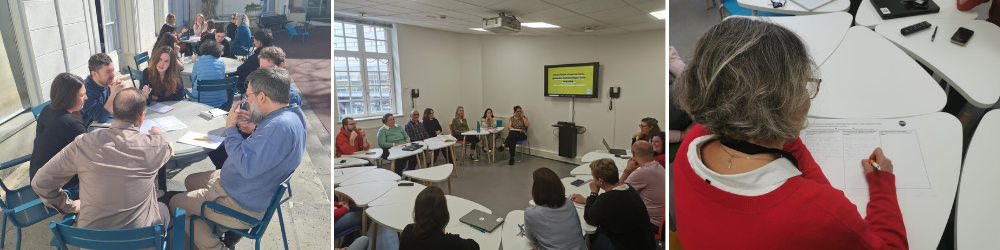
In parallel with the online questionnaire, around thirty workshops were organized to bring together interested or curious individuals in person. Lasting between 30 and 90 minutes, the aim of these workshops was to facilitate group discussions in order to gather perceptions and experiences of mathematics.

Ateliers consultation citoyenne Insmi
Workshops organized within the CNRS Paris-Normandie and Hauts-de-France delegations.
"Mathematics was very important to my father, and he couldn't understand why I couldn't grasp it. This put me in a state of stress, and I was unable to think clearly. In the end, I ended up rejecting mathematics altogether."

An online and local presence

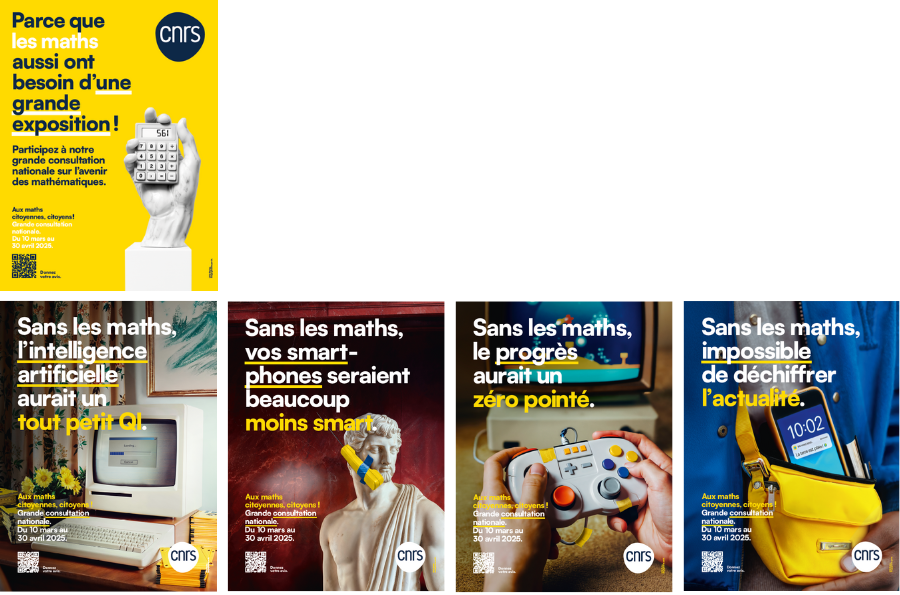
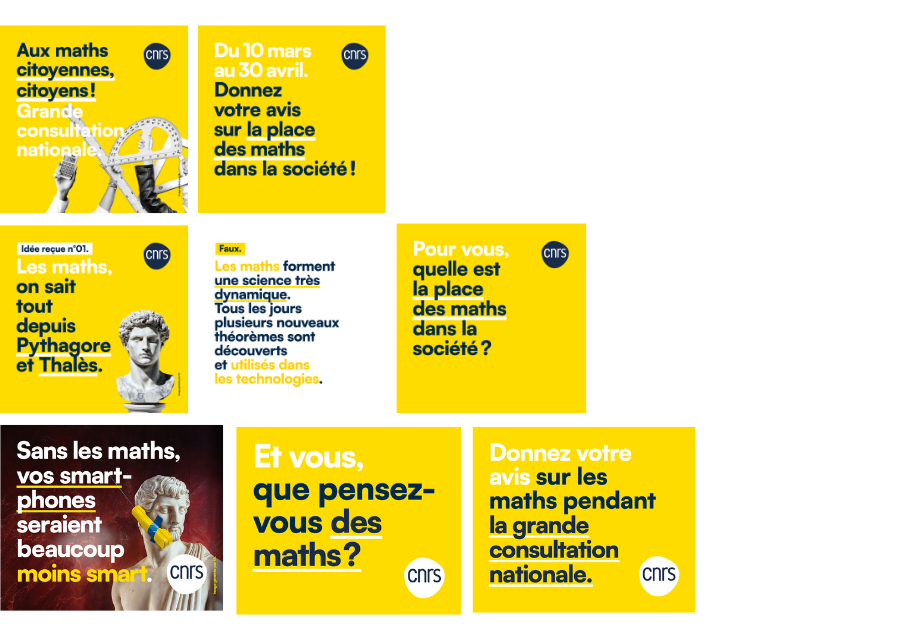
A communication campaign ran throughout the consultation period, covering digital media, social networks, the media, and posters. The press and digital components (including a display campaign and a social media campaign) were given high priority.

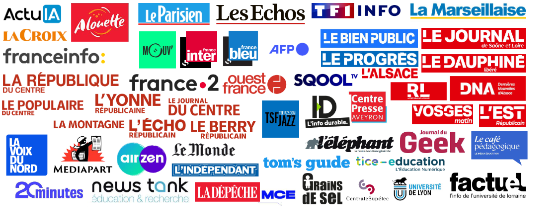
The consultation was mentioned in more than fifty media outlets.

Influencers were also mobilized to share their own relationships with mathematics and encourage their communities to participate in the consultation.

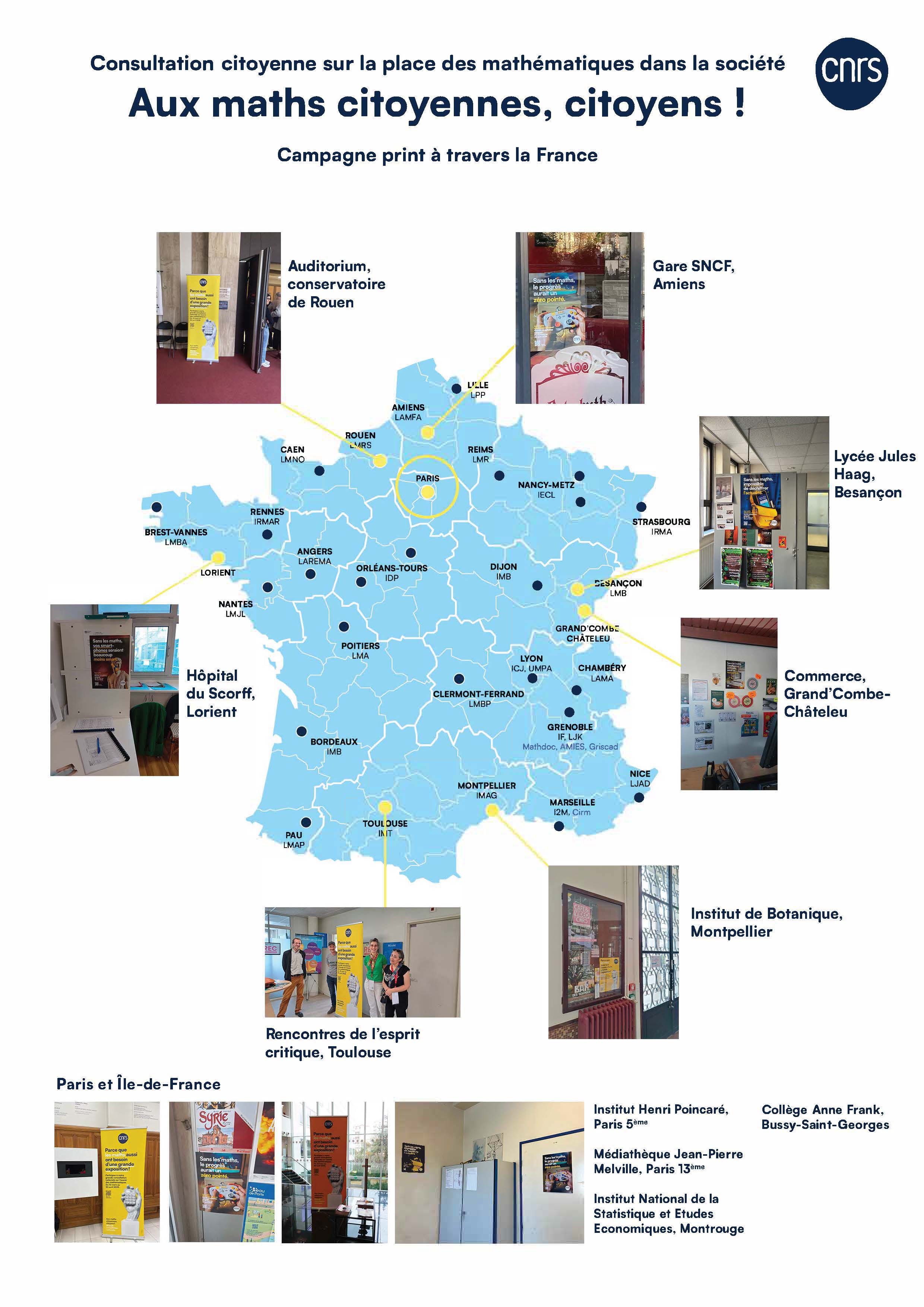
The campaign's posters and kakemonos were displayed throughout the country, from bakeries to mathematics laboratories, libraries, hair salons, and numerous events.

What next?

The results are currently being analyzed and will feed into the work of two panels of citizens who will meet for six days/three full weekends between June and July.

The panels will focus on issues of access to mathematics for all throughout life. With this in mind, they will be made up of people who are particularly affected by forms of exclusion related to mathematics. One panel will be composed exclusively of women, representative of the diversity of the French population, in order to reflect on issues of access in a single-sex environment. The other will bring together people from modest socio-professional backgrounds and rural areas. These two groups will work in parallel, while benefiting from joint discussion time to share their thoughts and enrich the debate.

All results will be presented to the Palais du Luxembourg (French Senate) in the fall of 2025.

"[Mathematics] gives me a glimpse of a world where accuracy reigns, unlike what other sciences have shown me. They are hope."

The online questionnaire

Find here the complete list of questions in the online survey for the consultation “Aux maths citoyennes, citoyens ! Grande consultation nationale" (Citizens, get involved in maths! Major national consultation).

The online survey consisted of 20 questions with different answer options. No question was mandatory. The questionnaire was divided into four sections: you and mathematics, learning mathematics, mathematics in France, and mathematics tomorrow.

Mathematics and you

1. When you hear the word “mathematics,” what are the three words that come to mind?

Open-ended question, three possible key words.

2. How would you describe your relationship with mathematics?

Choose one of the following options:

  • I feel very comfortable with mathematics
  • I feel fairly comfortable with mathematics
  • I have a neutral attitude toward mathematics
  • I don't feel very comfortable with mathematics
  • I don't feel comfortable with mathematics at all

3. Which of the following situations most often lead you to use mathematics in your daily life?

Multiple choice question from these options:

  • To manage my personal finances
  • For work-related tasks
  • For help with homework or studies
  • For DIY projects, crafts, measurement conversions
  • For leisure activities (e.g., board games, games of chance, cooking, gardening, sailing, etc.)
  • To solve problems and maintain my logical thinking
  • To understand maps, graphs, statistics, studies, or surveys...

4. Other: In what other situations do you use math in your daily life?

Conditional open question (limited character count).

5. In your opinion, why does mathematics often provoke strong emotions and reactions?

Open question: short paragraph allowed.

Learning mathematics, at school and outside school

6. What memories do you have of mathematics at school?

Open question: short paragraph allowed.

7. What role did mathematics play in your academic career?

Choose one of the following options:

  • I chose mathematics because I enjoy it
  • I chose mathematics as a strategy for academic success
  • I did not consider mathematics in my choice of studies
  • I chose a course of study that minimized the amount of mathematics involved
  • I chose a course of study that excluded mathematics

8. How can mathematics education in France become more accessible, both in school and beyond?

Multiple choice question (3 max) from these options:

  • By making it more fun and interactive
  • By promoting the right to make mistakes
  • By demonstrating the usefulness of mathematics in better understanding the world around us
  • By increasing the number of hours devoted to teaching mathematics
  • By encouraging collaborative work in small groups
  • By offering more support to those experiencing difficulties

9. Can you tell us about the impact mathematics has had on your life?

Open question: short paragraph allowed.

10. Would you like to resume learning or improve your math skills?

Choose one of the following options:

  • Absolutely
  • Yes, I would be interested
  • Maybe, I don't know
  • No
  • Not at all
  • I've never stopped

11. Which three of the following devices are the most useful for learning mathematics?

Multiple choice question (3 max) from these options:

  • TV shows, podcasts, blogs about math
  • Articles or books
  • Educational videos, online educational games, or mobile apps
  • Evening classes, similar to cultural and sports activities
  • Meetings and discussions with scientists

12. Other (including different initiatives, local or abroad, that could inspire us):

Conditional open question (limited character count).

Mathematics in France

13. Your perception of mathematics in French society: what do you think of the following statements?

Matrix question (agree/disagree/don't know) with the following response options:

  • Everything has already been discovered in mathematics
  • Mathematics is primarily used to select the best profiles
  • Academic success is mainly based on mathematics skills
  • Mathematics is essential in everyday life
  • Mathematics occupies a central place in French culture
  • Mathematics and other sciences feed off each other
  • Mathematics is at the root of technological advances
  • Mathematics can lead to applications that are harmful to society
  • Mathematics helps to combat misinformation

14. Are you aware of any inequalities or discrimination related to mathematics?

Choose one of the following options:

  • I don't know
  • No, and I don't think they exist
  • No, but I think they exist
  • Yes, sometimes
  • Yes, often

15. If so, can you list them here?

Conditional open question (limited character count).

16. Your perception of research in mathematics: what do you think of the following statements?

Matrix question (agree/disagree/don't know) with the following response options:

  • Mathematical research is opaque and has no visible impact on addressing everyday concerns
  • Mathematical research is inaccessible and is the work of an intellectual elite
  • Mathematical research is mysterious and abstract, but I still find it useful
  • Mathematical research is essential for addressing the environmental and democratic challenges of tomorrow
  • Mathematical research in France is at a very high international level

17. More specifically, how do you think mathematical research is useful today?

Conditional open question (limited character count).

Mathematics tomorrow

18. What would be your dream for mathematics?

Open question: short paragraph allowed.

19. What questions would you like to ask mathematics researchers?

Open question: short paragraph allowed.

20. Is there anything else you would like to share with us?

Open question: short paragraph allowed.

Mathematics in our daily lives

For this major public consultation, CNRS Mathematics wishes to raise awareness among everyone about the presence, role, and importance of mathematics in their lives.

Don't wait to find out where mathematics comes into play in Clément and Adina's day and immerse yourself in different topics such as the environment or mathematics in the service of critical thinking.

Discover where mathematics are in our daily lives!

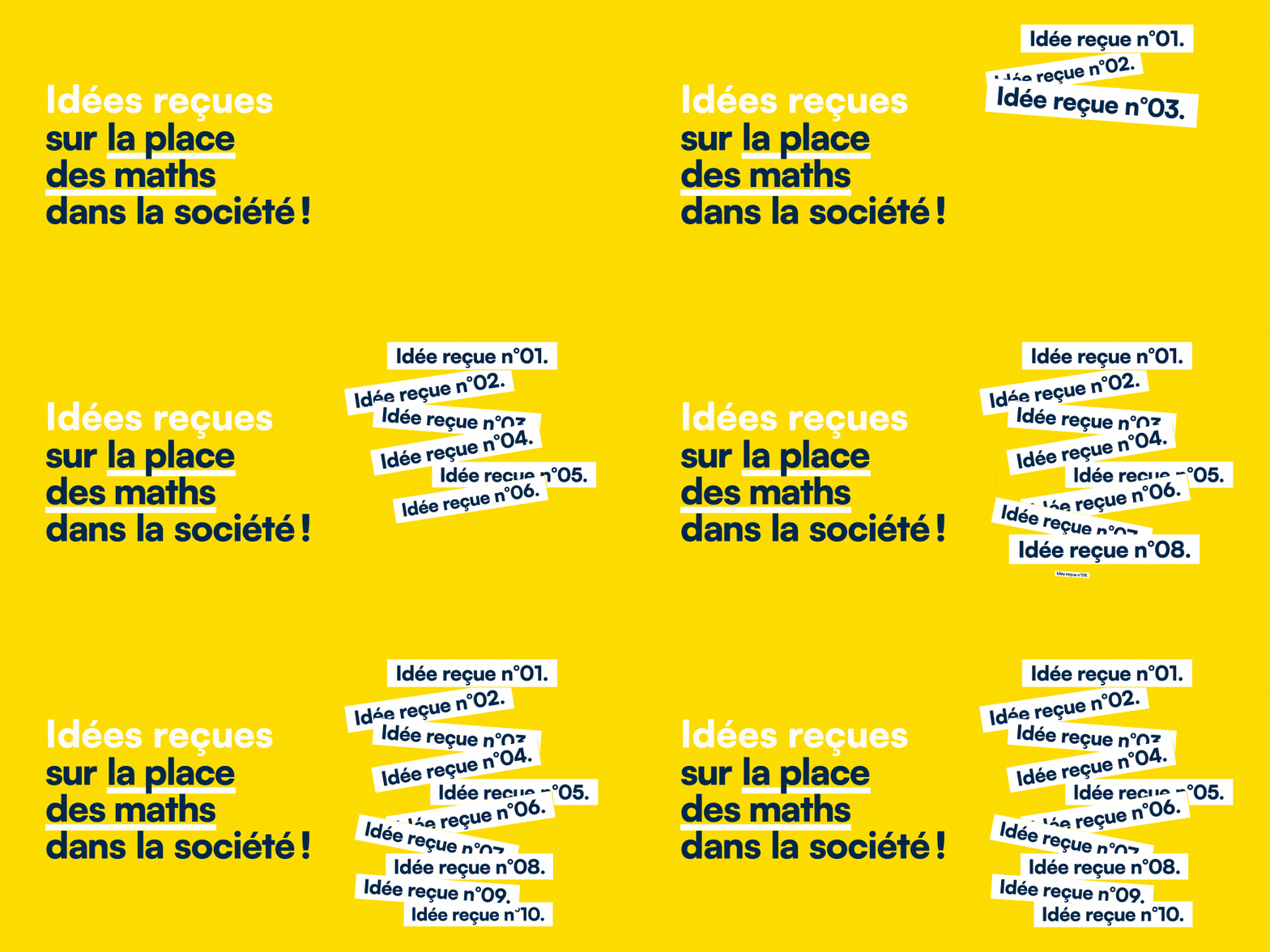
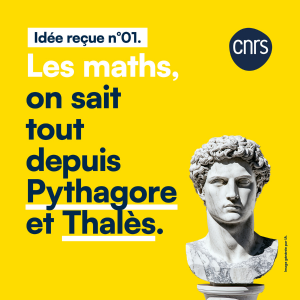
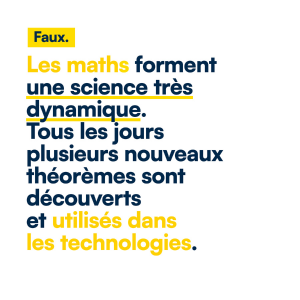
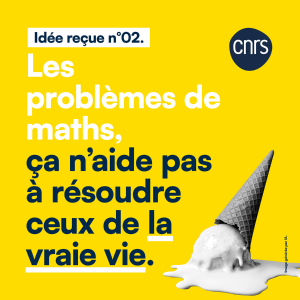
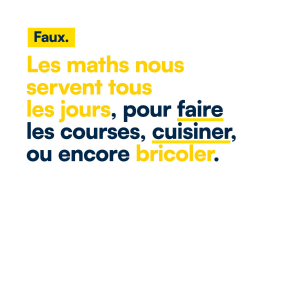
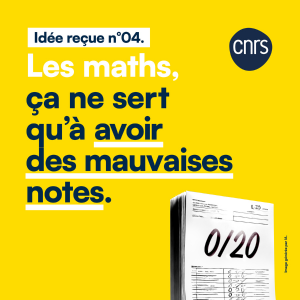
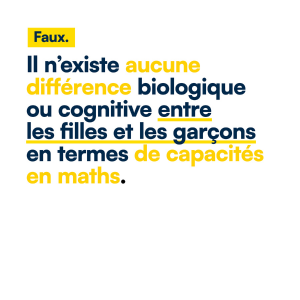
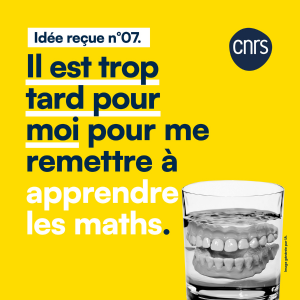
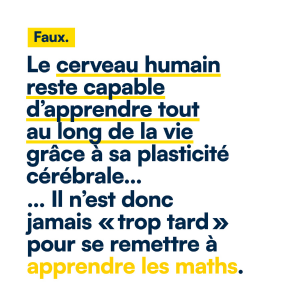
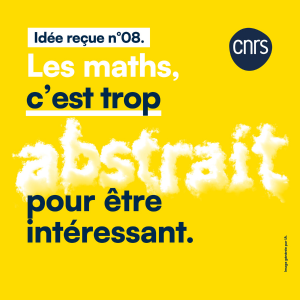
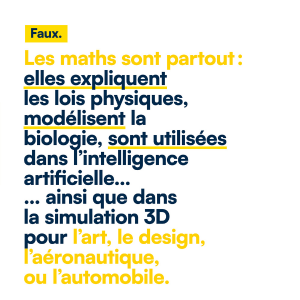
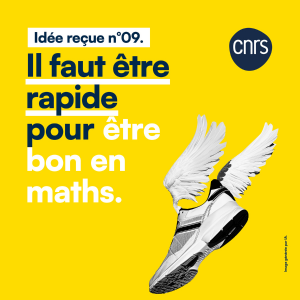
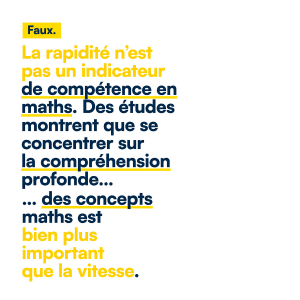
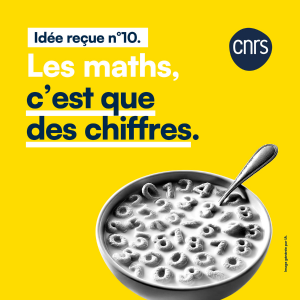
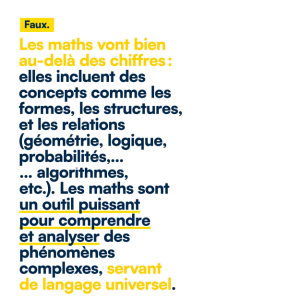
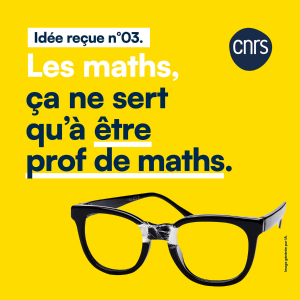
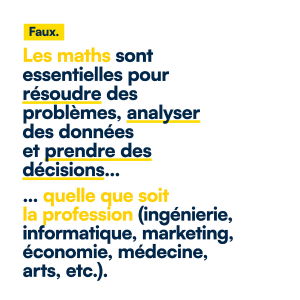
Common misconceptions in mathematics

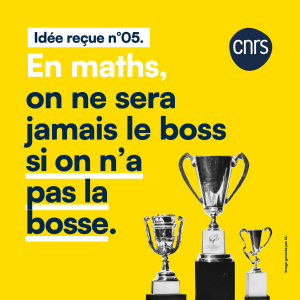
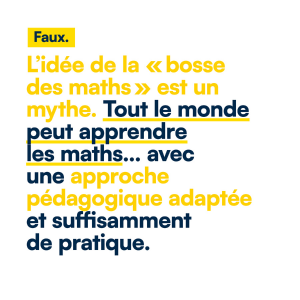
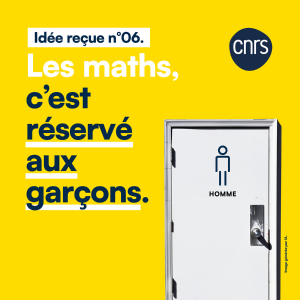
Let's work together to break down some misconceptions about the place of mathematics in society.


https://www.insmi.cnrs.fr/fr/aux-maths-citoyennes-citoyens-grande-consultation-nationale

Citizen consultation communication kit

Feel free to share this citizen consultation with your friends and family using the communication kit.

Citizen consultation workshop kit

You can contribute to this citizen consultation by organizing workshops to gather the perceptions and experiences of as many people as possible about mathematics.

This facilitation kit is intended for anyone who wishes to organize a discussion with a few participants on the subject of mathematics. You can organize it whenever and wherever you like. In order for the results to be taken into account in the national consultation “Aux maths citoyennes, citoyens !” (Citizens, get involved in maths!), you must share them via an online tool after the workshop.

The workshop is designed to be divided into several 30-minute sessions. You can offer just one session or several in a row (the order doesn't matter), but be sure to allow 30 minutes per session. Discussing all of the questions/sessions takes about two hours.

  • Session 1: The perception of mathematics today
  • Session 2: Mathematics in your personal journey
  • Session 3: Ideal mathematics
Kit atelier